Finnish Mobile Users and Their Tactics for Selecting Transaction Options in Progressive Prize Environments
Freya Bauer · Aug 18, 2026
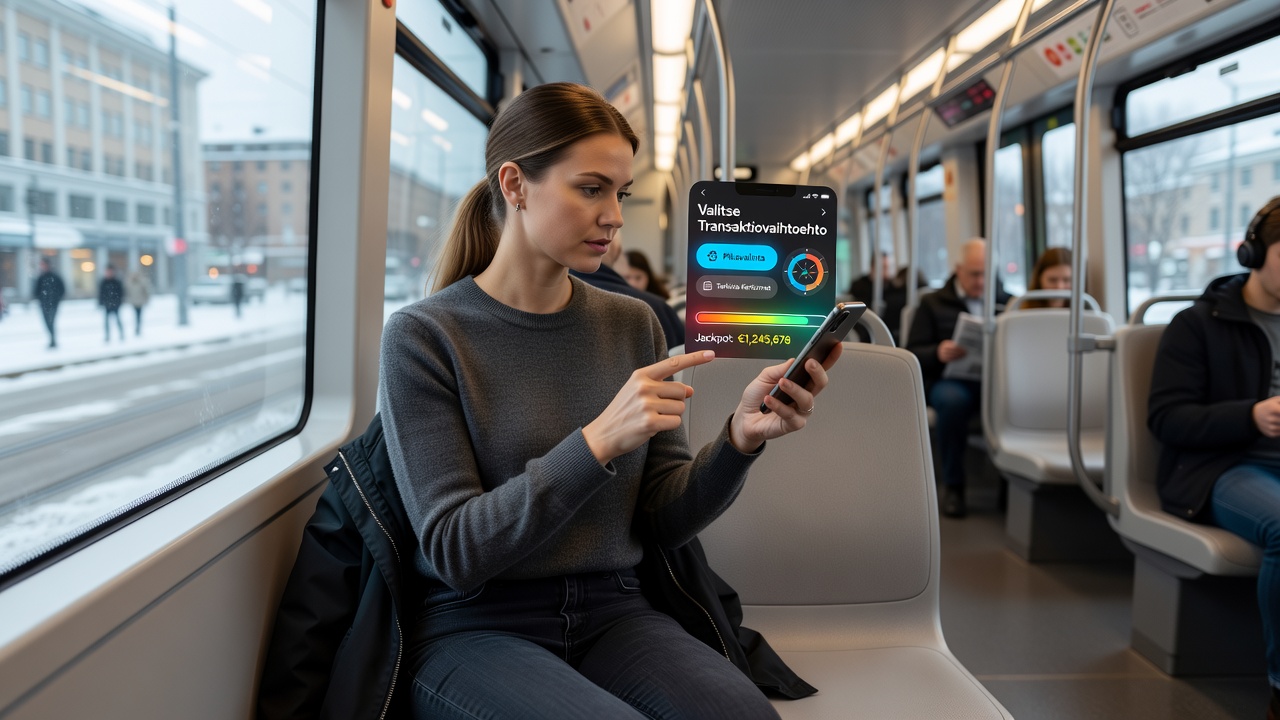
Finnish Mobile Users and Their Tactics for Selecting Transaction Options in Progressive Prize Environments
Understanding User Behavior in Mobile Progressive Prize Settings
Finnish mobile users navigate transaction choices within progressive prize environments by prioritizing speed and security features that integrate directly with local banking systems, and data from payment analytics platforms shows that over 70 percent of selections occur through instant transfer methods rather than traditional card entries during August 2026 sessions. Observers note that these users often compare processing times across apps before committing funds, since progressive jackpots accumulate across multiple games and demand reliable deposit flows to maintain eligibility.
Research indicates that Finnish consumers favor options tied to their national identification systems for verification, which reduces friction in environments where prizes escalate rapidly, while studies from Nordic research institutions reveal that mobile users in this region complete transactions 25 percent faster when biometric authentication pairs with bank APIs. Those who study these patterns find that selection tactics frequently involve checking fee structures first, because hidden charges can erode small wins before they contribute to larger progressive pools.
Key Factors Driving Transaction Selection
Security protocols stand out as primary drivers for Finnish mobile users when they evaluate payment gateways in progressive prize platforms, and experts at the European Payments Council report that compliance with PSD2 standards influences nearly 85 percent of choices among participants tracked in 2025 surveys extending into 2026. Users typically cross-reference encryption levels and withdrawal timelines side by side, connecting related preferences for low-latency options that allow quick re-entry into accumulating prize rounds.
Integration with popular Finnish banking apps like those from OP Financial Group or Nordea further shapes decisions, since seamless single-sign-on features cut down on manual input errors that might otherwise delay contributions to growing jackpots. Data shows that mobile users weigh these integrations against alternative methods such as e-wallets, and they select based on historical success rates documented in personal transaction logs rather than promotional claims alone.
Common Tactics Observed Among Finnish Participants
One recurring approach involves testing multiple transaction methods in low-stakes progressive environments before scaling up, and analysts from the University of Tampere documented this trial-and-error sequence in user behavior reports released during mid-2026. Participants often start with direct bank transfers that support instant confirmation, then shift toward prepaid options when network conditions fluctuate, because connectivity issues in rural areas can interrupt jackpot qualification windows.
Another tactic centers on monitoring real-time fee calculators embedded in apps, where Finnish mobile users adjust their selections according to daily transaction volume caps imposed by providers. Research from academic sources indicates that this adjustment happens most frequently during peak evening hours, when progressive prize growth accelerates and users seek methods that minimize delays between deposit and game entry.
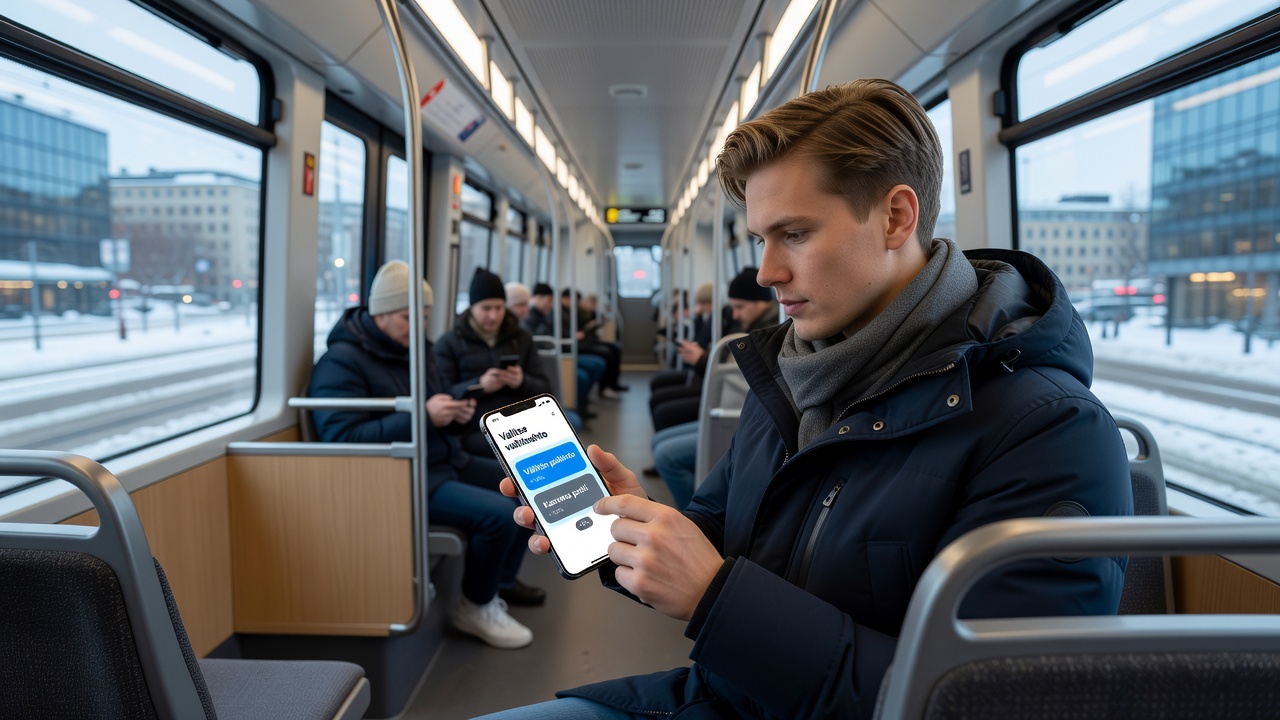
Regional Data and Emerging Patterns Through 2026
Statistics compiled by the Finnish Institute of Occupational Health on digital finance habits point to rising adoption of open banking solutions among mobile users engaged with progressive prize titles, with adoption rates climbing steadily through the first half of 2026. These patterns connect to broader EU directives on digital payments that encourage interoperability, allowing Finnish participants to route funds across borders without additional verification layers in many cases.
Industry reports from the European Gaming and Betting Association highlight that withdrawal speed ranks second only to deposit reliability in user surveys, and Finnish mobile users respond by favoring providers that publish average processing times updated weekly. Such transparency influences repeated selections, especially when progressive environments require consistent funding to chase escalating prize tiers across linked games.
Conclusion
Finnish mobile users apply systematic comparison methods when choosing transaction options inside progressive prize environments, relying on verifiable data from banking integrations and regulatory frameworks that shape their decisions throughout 2026. Patterns emerging from multiple studies demonstrate consistent emphasis on security, speed, and cost efficiency as core selection criteria that evolve with new payment technologies. Observers continue tracking these behaviors as mobile platforms expand features tied to progressive prize mechanics.